
Transition Done Right: Supporting Year 6 Pupils Moving to Year 7
“Transition done right” is about preparing pupils academically, emotionally and socially so they can thrive in their new setting.
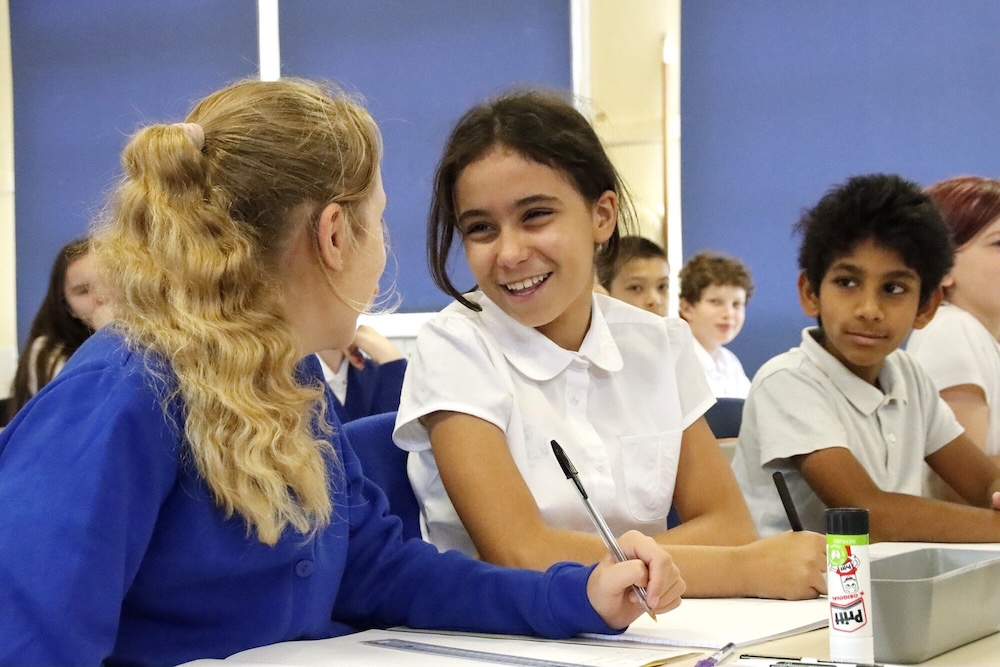
Moving from primary to secondary school is one of the most significant milestones in a child’s education. For Year 6 pupils, the transition to Year 7 is not just a change in environment but also a shift in expectations, routines and personal responsibility.
Understandably, this can be an anxious time for children and parents. However, when it’s managed thoughtfully it can become an exciting opportunity for personal growth.
Paradigm Trust believes a successful transition begins well before the final term of Year 6. Our primary schools play a crucial role in laying the groundwork; teachers gradually encourage independence by giving pupils more responsibility for their learning. This includes organising homework, managing their time independently and working collaboratively with their peers. These skills prepare pupils for the expectations they’ll encounter in secondary school, where they will move between classrooms, interact with multiple teachers and follow a more complex timetable.
Moving to Ipswich Academy
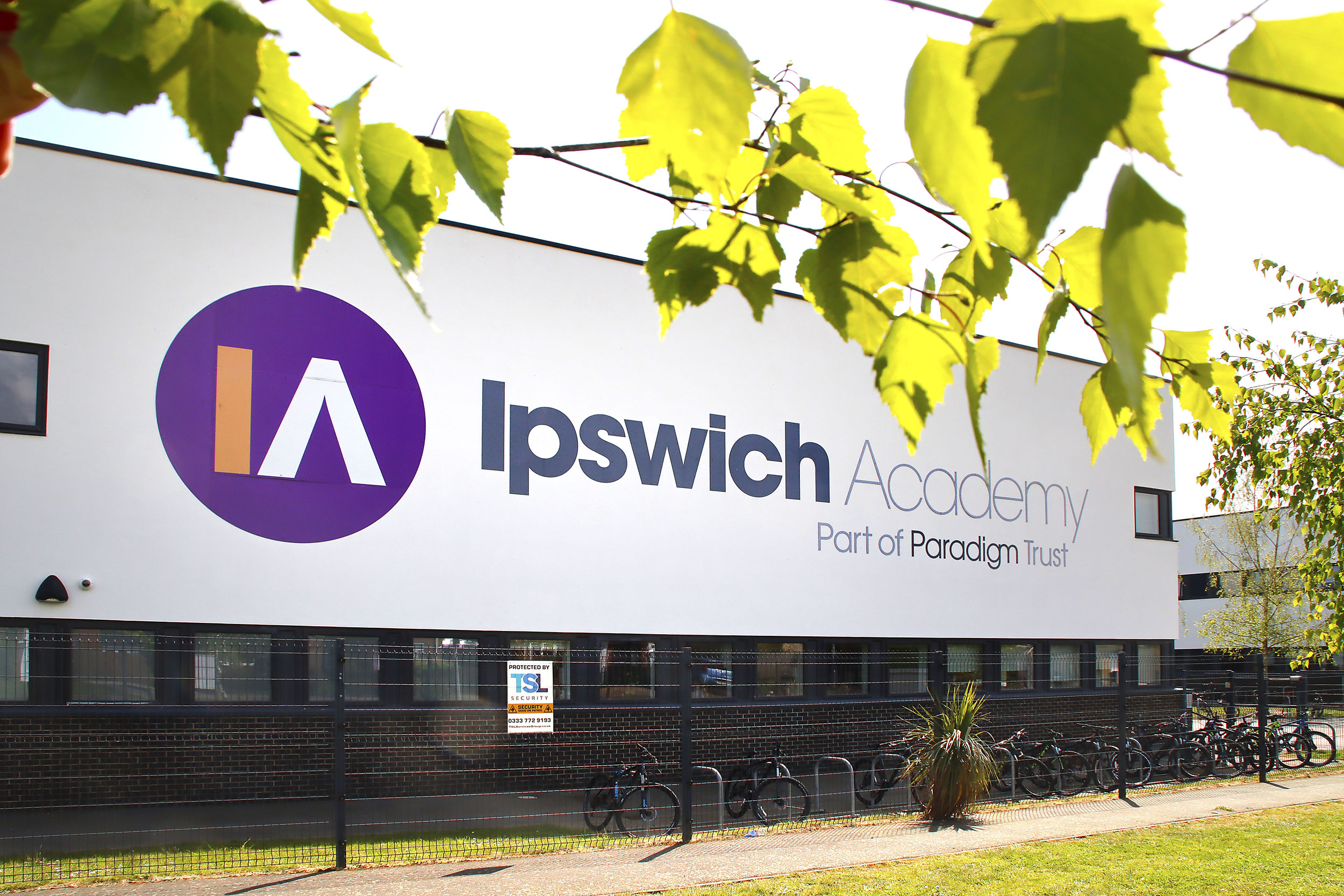
The Transition Team at Ipswich Academy, the Trust’s secondary school, sends out transfer forms to its feeder primary schools in March so they have up to date information they can use to make the transition as smooth as possible. At the same time they will also send a letter to parents/carers of Year 6 pupils to welcome them to the school community.
Then in May, Ipswich Academy sends a second letter to parents/carers, giving them further useful information about upcoming transition days. The inclusion team (SENCO and learning mentors) visit the primary schools to meet staff face to face, so they can learn more about every pupil coming to Ipswich Academy and how best to support them through the transition days. They also take the opportunity to meet the Year 6 pupils in person to establish familiarity.
For many pupils, one of the biggest concerns about moving to secondary school is the fear of the unknown. Larger buildings, unfamiliar faces and new routines can feel overwhelming. This is where structured transition activities make a meaningful difference. Ipswich Academy offers tours three days a week after school, which let Year Six pupils and their parents explore the setting with a member of staff and ask any questions they may have.
In June Year Six pupils spend two transition days at Ipswich Academy. This allows them to explore the environment, meet teachers and begin forming friendships. It’s a chance for staff to welcome them in a warm, friendly manner, and set the highest expectations for behaviour and conduct. Pupils get to take part in team-building exercises with their new peers, to help them build connections. At the end of the two days, pupils leave feeling more confident about what to expect.
Transitioning elsewhere
Of course, not all pupils at the Trust’s primary schools move on to Ipswich Academy. In those cases, staff at the primary schools have, over the years, built close relationships with their local secondary schools. They’ve established procedures and routines to make the transition process as smooth as possible, with regular communication at the heart of everything.
Ongoing support
Emotionally, the transition period can be complex. Pupils are leaving behind a familiar environment and also navigating early adolescence. Friendships may shift, and social dynamics can become more complicated. We recognise these challenges and prioritise children’s wellbeing with dedicated members of staff called Learning Mentors. They provide support to pupils who are struggling, and will communicate with home any intervention of support that we can offer.
It is also important to see transition as an ongoing process rather than a single event. The first few weeks of Year 7 are critical, but we continue to provide support throughout the year, with regular check-ins and opportunities for feedback. This allows staff to make any adjustments necessary to ensure pupils continue to settle and succeed.
Academic continuity is another key element of “transition done right.” While the curriculum in secondary school is more specialised, there should still be a clear progression from what pupils have learned in primary school. We designed the Paradigm curriculum specifically to support a child’s complete academic journey, so there is consistency in what we teach, the way we teach, in the way we behave and in the way we apply our rules, from Early Years right through to Year Eleven. This allows children to settle more quickly at secondary school and resume effective learning sooner.
The move from Year 6 to Year 7 will always bring some level of uncertainty, but it does not have to be daunting. With careful planning, clear communication, and a genuine commitment to pupil wellbeing, this transition can become a positive and transformative experience, and set the foundation for success in the years ahead.